Trujillo
Peru

Michael White & Clara Bravo

Cahuide 495 (Nr. Huayna Capac 542), Santa María, Trujillo, Perú.

Country Code: 51, City Code: 044 Skype:+51 44 299997

Telephone: 243347 // 299997; Mobile 949662710. Email: microbewhite@yahoo.com

Recommended as tour guides & for information in the best international guide books,

in English, Spanish, French, Italian & German

TrujilloPeru
read my profile
sign my guestbook

Visit TrujilloPeru's Xanga Site!

Name: Michael & Clara
Country: Peru


Interests: Cultural & Natural Tourism, reading, learning, teaching, travel, Internet, meeting and helping travellers from all countries, races, classes, ages, professions, & interests of the the world.
Expertise: Between them Michael & Clara have 40 years experience as tour guides, have visited 50 countries & prefer to live in Trujillo Peru. Apart from studying Tourism at the National University of Trujillo, Englishman Michael is a Chartered Accountant, & Peruvian Swiss Clara a Social Sciences Teacher. Geology, climates, water flows, flora & fauna supported agriculture, crafts & other economic & cultural development in the Cupisnique, Moche, Chimú & colonial settlements. They have the best recommendations in international guide books. Daughter Delicia & nephew Hebert are also qualified guides.
Occupation: Education/training
Industry: Hospitality


Message: message meEmail: email me
Website: visit my website
MSN: casadeclara
Yahoo: casadeclara


Member Since: 3/22/2001
Lifetime

SubscriptionsSites I Read
MonyToursHuaraz
Balconcillo
CasadeClara
ElBrujoPeru
RincondeVallejo
HuayhuashTrek
ancientcotton
precolombianworld
Sechin
TurismoHuaraz
tdinneen

Posting Calendar

|<< oldest | newest >>|
view all weblog archives

Get Involved!

Suggest a link

Recommend to friend

Create a site


Tuesday, October 27, 2009

Trujillo & North Peru

Colonial Trujillo, Trujillo north Peru, Tours, Chan Chan, Huacas de Moche, El Brujo, Caballo Muerto, Museums,

SipánHuaca VentarrónCollud-Zarpán, Huaca Quiñones, Sican (Lambayeque), Chotuna, TúcumeZaña,

Lima, Norte Chico, Aspero, Bandurria & CaralTumbes, Piura & North Peru beaches, National Geographic etc,

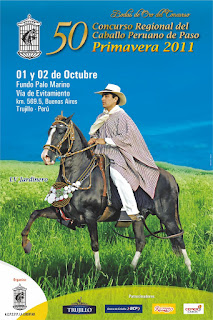
Guides & booksTransport, Ecuador Peru, Peru Brazil, Cruises, Festivals – Marinera, Primavera & Caballos de paso,

Weather, Peru Biodiversity & BirdsGuañape, guano & ceramics TV & Football, Google Earth maps

Tours in English Español Francais Italiano Deutsch Casa de Clara Guest House Testimonials


¡Visite las 7 Maravillas del Perú!  Visit the 7 Wonders of Peru. Which are the best computer programmes?


Latest National Geographic Traveler: Peru recommendations


PERÚ Primer destino de nuevas guías de viaje de Sudamérica de National Geographic


TOURISM INFORMATION

Casa de Clara,Cahuide 495,Santa Maria,TrujilloCahuide 495 solo Now cream & red!

We are just 7 blocks

(5 minutes walk) from 

Trujillo's Plaza de Armas,

in a much quieter park,

with extensive information.

Please visit us.

Larger map with photos of our tours.

Cahuide 495,Santa María Trujillo has photos of our guest house. Google Earth map/photo hybrid

Do not miss North Peru :: Forum Pérou :: Ne perdez pas du nord Perou 

Please see  Transport for an increasing number of airlines, Cruises, &

more comfortable, modern & economic buses arriving in Trujillo & north Peru.
National Geographic ran articles on the Incas & a map of pre Colombian cultures since 19th May 2002,

& other programmes on the Moche Murder Mysteries.

Discovery Channel features various articles too. Le Figaro produced an article on the Moche in August
2001, & an article on Peru was in the Italian Dove Magazine in April 2002.

There is much to see between the frontier with Ecuador, & Lima.

Many sites are very close to major cities on the Panamerican Highway.

Make sure your itinerary allows sufficient time at each site,

instead of rushing through half of Peru.

Colonial Trujillo is a potential World Heritage site.

Map & photos:. Plano de la ciudad de Truxillo...  www.pilsentrujillo.com.pe/tutierra/ind_historia.html

Situated 6km south east of Trujillo, the Pyramid of the Sun

was the largest construction in the Americas, & yielded

nearly 10 tonnes of gold & silver in colonial days.

The Pyramid of the Moon has over 8,000m2 of polychrome reliefs,

extensive panoramas over the countryside, excavations in progress & soon a site museum.

Ver galería

The project won first prize for good government practice in 2007.

Huaca de La Luna to receive 110,000 visitors in 2008 

Andina 5/11/2008 More on future World Heritage status Espanol

Like The Learning Channel, National Geographic has been visiting,  

filming & writing for the 2008 magazine & 2009 guide.

Make sure you see all areas opened recently & included in the entry ticket

(11 nuevos soles general entrance, 6.00 students, 1.00 children). 

The complex & extensive murals on the north facade of the Huaca de la Luna were inaugurated

on 21st October 2004 & a US1.25M site museum & US$0.25m roof are in progress.

Descarga el Papel Tapiz del Minizoologico Visit Moche Zoológico animal refuge. See the hairless dogs too.

Excavations are also in progress 12km inland at the Cupisnique culture site of Caballo Muerto.

60km north west of Trujillo, El Brujo Archaeological Complex' 3 temples holds

5,000 years of numerous cultures, history, extensive polychrome reliefs & murals,

overlooking a splendid beach (Entrance 11 nuevos soles general entrance, 

PE S/.6 for students, PE S/.1 for children) & including the new site museum.

See ElBrujoPeru for National Geographic July 2004 & June 2006 in 5 languages & other articles on

Huaca Prieta, Brujo (Cortada/Partida), Señora de Cao & her mausoleum opened on 27th July 2007.

Caral, declared a World Heritage in July 2009, is among the oldest city states in America.

Near Casma are sites like Sechín from 1,700BC, & the delightful beach of Las Tortugas.

Archaeologists are working in the same valley at Chanquillo, in the Chao & Viru valleys between

there & Trujillo, in Mocollope (Chicama) & Farfan (Jequetepeque).

Festivals include the Marinera(January), Carnival(February), Spring(September/October) & Ocean Festival(May).

Huanchaco has the reedboats & is near to Puerto Malabrigo-Chicama & the world's longest left hand wave. 

Surf north Peru's beaches.

The 7 Wonders of Peru Winners include 

Chan Chan, the largest city in the Americas

when the Incas arrived in 1460.

The government approved a 10 million nuevos soles

budget for ongoing conservation work.

An Italian mission will participate in Chan Chan & Sipán excavations.

You can take a 6 hour daytime bus up the Cañon del Pato to Caraz to trek the Santa Cruz loop,

or take daytrips to Chavin de Huantar & site museum, Llanganuco lakes or Pastoruri Glacier.

'The Marcahuamachuco ruins surely rank in the top 10 archaeological sites in Peru' (Footprint Peru 2007 p.441) as well as its 7 Wonders.

Nearby Huamachuco is just 6 hours inland from Trujillo, giving access also via Cajabamba to Cajamarca.

The Chotuna - Chornancap site museum, near Lambayeque, officially opened in August 2009.

The Royal Tombs of Sipan National Museum in Lambayeque opened on 11/11/2002.

The purpose-built 3 storey pyramid-like Museum is an attraction in its own right.

It is 3 blocks from the Bruning Regional Museum of Lambayeque.

The tomb found in 1987 (National Geographic October 1988) was the richest

ever found in the western hemisphere, & by June 1990 (National Geographic)

was the richest series of tombs found anywhere in the world for a century.

The Sipan site is smaller than the Huacas del Sol y la Luna de Moche,

has a nice feel, excavations renewed in 2007, & excellent replicas in most of the tombs & site museum.

17 km north east of Chiclayo,

Ferreñafe has another purpose-built museum

opened in November 2001,

the National Museum of Sican

(More below on this Lambayeque culture).

All 3 museums have gold collections which outclass those in Lima & Bogota.

There were exhibits in France (September 19-29 2008) & Germany too (Hamburg) "1/1/07-24/6/2007.

Tucume, 35km from Chiclayo has 26 temples viewed from a hilltop, & 3 excellent museum halls.

Its gold has yet to be discovered. Gold found recently at Moche has yet to be displayed.

There are new discoveries at Huaca QuiñonesSipán (14th tomb), nearby Huaca Ventarrón, Collud-Zarpán & Chotuna with site Museums in progress. 

10 hours inland is Chachapoyas which has sites to rival Machu Picchu.

All much cheaper than Cusco. Programa de XII Semana Turística de Chachapoyas  1-7/6/2008. 

Return via Leimebamba (new museum opened in 2001), Celendín, Cajamarca &

Kuntur Wasi (good road, gold etc Museum & newly cleared ruins giving extensive panorama).

There is more information on all these in  Ecuador Peru route information & Tours in 5 languages.

We will be happy to help with accommodation in Trujillo, at www.xanga.com/CasadeClara

join you up with other travellers, guide you around the sites,

or just provide up-to-date information in 5 languages. See Peru, World's catalogue on You Tube.

Michael White & Clara Bravo

Press coverage at Huaca de la Luna:

PROYECTO CENTRO CULTURAL MOCHE VIEJO PROPONEN EN HUACA DE LA LUNA


Se ubicará en la zona que se encuentra en el lí­mite sur del área del sitio

arqueológico y que colinda al oeste con la Campiña de Moche.  

www.peruprensa.org/Ta241205.htm


Diario La República - La reina premia a los Moches

www.larepublica.com.pe/index.php?option=com_content&task=view&id=105824&Itemid=28&fecha_e...

- 33k - 23 Mar 2006 - En cachét - Páginas similares

Diario La República - Maravillas bajo tierra

www.larepublica.com.pe/index.php?option=com_content&task=view&id=100077&Itemid=487&fecha_...

- 41k - En cachét - Páginas similares

www.huacadelaluna.org.pe  Webpage new in 2004. English/Español

www.huacas.com

Grim Rites of the Moche - [ Traduzca esta página ] Huaca de la Luna

Temple of Doom El Brujo Archaeological site in National Geographic Magazine of July 2004 in many languages.


Virtual Archaeology: The El Brujo Project

Frommers.com : Central & South America : Peru : Northern Peru ... - [ Traduzca esta página ]
Excursions to El Brujo

Moche Death Rituals in New Zealand www.otagomuseum.govt.nz/WhatsOn/WhatsOn
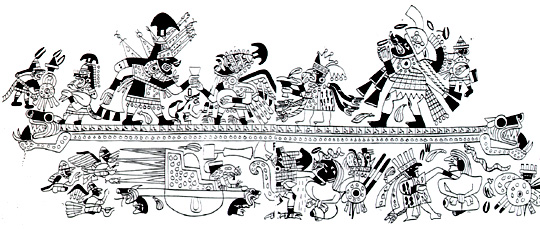


                                                                                                Lechuza Terrestre 

                                                                                                Owl frequently seen at Huacas


SCIENTISTS UNCOVER INCA CHILDREN'S 'COUNTDOWN TO SACRIFICE' 1 October 2007

www.wellcome.ac.uk/doc_WTX041314.html


The Lara McClintoch Archaeological Mystery Series - The Moche Warrior
...these were troubled times in Moche country. El Nino was on its way ... fishermen were coming ashore ...
the normally fertile lands in the mountains were now locked in drought and the people from the highlands ...
were migrating to lower ground in search of arable land....
www.lynhamilton.com/peru.html - 30k - Cached - Similar pages


Moche Burials Uncovered @ nationalgeographic.com - [ Traduzca esta página ]
In More to Explore the National Geographic magazine team shares some of its best ...

Dos Cabezas Archaeological Site.


Colonial Trujillo Peru

Colonial Trujillo PeruTrujillo north Peru, Tours, Chan Chan links, Huacas de Moche, El Brujo, Caballo Muerto,

Museums, SipánHuaca VentarrónCollud-Zarpán, Huaca Quiñones, Sican (Lambayeque), TúcumeZaña,

Lima, Norte Chico, Aspero, Bandurria & CaralTumbes, Piura & North Peru beaches, National Geographic etc,

Guides & books, Transport, Ecuador Peru routeCruises Festivals – Marinera (20-25/01/2009), Primavera & Caballos de paso,

Weather, Peru Biodiversity & BirdsGuañape, guano & ceramics TV & Football, Google Earth maps

Tours in English Español Francais Italiano Deutsch Casa de Clara Guest House

Trujillo del Perú was founded by Diego de Almagro in December (maybe late November) 1534, under express orders from Francisco Pizarro and the foundation was formalized in March 1535. It was founded among 4 Chimú settlements (Moche, Huanchaco, Huamán & Mampuesto), so they could ally against the Incas. It was named after Pizarro´s home town, & the original street plan traced by Martín de Estete, following royal ordinances via Panamá, requiring for example a military building (intendencia) on the plaza. It was a religious & military conquest & details like the town hall could wait.


The Plaza de Armas originally had 3 solares on each side, plots which stretched to the next street. Each house typically had a zaguán or entrance hall to a first reception patio, the salón with the cuadra behind, leading to the second patio with the family rooms around it & a third patio with the servants’ quarters, stables, gardens and a well.


In 1687 a city wall designed by the Italian José de Fomento was completed by the Duke of Palata, to make the residents feel safe from pirates. As the city grew, it disappeared from where we now have the elliptic Avenida España.

There are just three restored remnants; la Portada de la Sierra, an entry gate towards the highlands at the top (9th block) of Pizarro, while a buttress & a ‘cortina’ (that ran between two buttresses) at opposite ends of Colón. Near the entrance, there are remains of the original distribution cistern (caja de aguas) which directed water in 5 directions.

The same pedestrian area has a fountain built by Gustave Eiffel,

transferred from the Plaza de Armas (see painting) for strategic reasons during the war of the Pacific (1879-1883). It shows four statues of people representing the four seasons.


City Tour

A 9am start from the top end of Pizarro, down to Orbegoso & past the Plaza de Armas to the corner of Bolognesi, returning up Independencia to Junín, gives time for breaks before finishing at the University museum which is open until 2.45pm. Colonial houses are generally open 9.30am to 1pm & 4.30-6.15pm on weekdays & Saturdays until midday.


Architecture

From the start, the height of buildings was limited by the possibility of seismic activity. The lack of good quality wood & stone & the costs of working them helped them acquire faith in adobe, which resists earthquakes, keeps heat in & out, with three thousand years of experience readily available.

Initially floors were mud & roofs were flat, until the occurrence of El Niño rains dictated change. Floors became rounded stones, flagstones or red brick & the roofs acquired slopes. The colonial architecture was then built on terrepleines around the patios. There were extensive mural designs. The Gothic art style was lost in the 1619 earthquake. Moorish & baroque styles remained in the 17th century. Baroque mestizo, an indigenous influence continued until 1760. From then there were rococo, French, Italian & English influences. A single solid colour is typical of the last century. Only the colours traditionally available should be used in the historic centre.

Windows were few & high for security. Originally of wood, they were painted dark blue or green. The copper content helped protect the wood from insects. Decorated iron nails, knockers (aldavas) & hinges & protectors helped provided security.

The stone window sills (peanas) & canopies (conopeas) helped keep them in position, especially after iron was imported from Biscay after the 1759 earthquake: first forged (forjado) & then cast (fundido) iron railings. The metal was often painted black, with gold coloured embellishments. The white seen today is a tradition for the last century.

All of Trujillo was destroyed by the earthquake on St. Valentine’s Day in 1619. What was not destroyed was demolished. A few details remain in the entrance halls (zaguánes) & below later foundations.

As a result of natural disasters, financial problems, sales & inheritances, few houses retain all three. The Casa Orbegoso & Casa del Mayorazgo acquired L-shaped plans.


Churches (On google map)

The churches started with the form of a Latin cross. They started off as monasteries or convents. Later, if they had less than 15 monks, nuns or novices they were limited to being churches. Minor churches started with just one tower. The second tower & lateral naves appeared later.


The Cathedral (Orbegoso 4 & Independencia 5) was rebuilt between 1647-1666, two previous churches on the same site having been destroyed by earthquakes. It has baroque & rococo altars, the wooden principal altar having being restored after the 1970 earthquake. It has Quito & Cuzco style paintings & a museum alongside with outstanding paintings & religious clothing.

To the right of the Cathedral in the photo is the Cathedral Museum, & next door, the Archbishop's Palace.


The Archbishop’s Palace & particularly the woodwork & Seville tiles, were beautifully restored for the visit of Cardinal Tarcisio Bertone, Secretary of state of the Vatican, & opened to the public subsequently in September 2007.


La Merced was one of the first two churches of Trujillo & was rebuilt in 1630. It was constructed by Alfonso de las Nieves. The main façade is baroque, with the founder of the order San Pedro Nolasco in the lateral façade too.

Its espadañas could not carry a full-sized bell, so the bells lie on the floor near the entrances.

The upper choir stalls have a mock, painted, wooden, rococo 18th century organ & the original altar (painted on the wall before there was wood or funds), is still on view in the nave nearest the lateral entrance. 

The main altar is covered in gold leaf.

The four pechinas painted below the inner dome which collapsed in the 1970 earthquake have been beautifully restored.


La ex-Compania de Jesús (Pizarro 3 & Almagro 3), a work of Diego de la Puente between 1632-1633 was considered the bench mark for later buildings, including the cathedral. The Jesuits were expelled from the colonies around 1766 & never returned to Trujillo.

Simón Bolívar founded the first republican university there in 1824 & the National University of Trujillo still uses it for conferences & occasional exhibits.

The nocturnal picture shows from right to left, doric, ionic & compound Corinthian capitels on its columns.


San Francisco (Independencia 607 & Gamarra) has part (cátedra) of the pulpit from which San Francisco predicted (in 1613) that Trujillo would be destroyed, as it was, later in 1619. The pulpit, main altar & polychrome altars are of baroque style.


Santo Domingo (1638-1642 & 1669)(Pizarro 2 & Bolognesi 4).


Santa Clara (Junín 4 & Independencia 6) convent’s church has a ‘torna voz’, where you can talk, but not see the cloistered nuns. The public can see them only during Sunday mass when they sing in ‘seven voices’ at 8am.


Belén (1705), the church of the hospital order was considered audacious for its height in an area which is prone to earthquakes. It was the last to reopen, late in 1995, following the 1970 earthquake.


San Agustín (1658) Bolivar 508 & Orbegoso 6) has a main altar & pulpit, both covered in gold leaf & of baroque style.


Santa Ana  (Orbegoso 2 & Zepita 4), Santa Rosa (1717) & San Lorenzo (Ayacucho 4 & Colón 7) were originally ‘iglesias menores’ for the indigenous people.

San Lorenzo’s roof collapsed as a result of the 1997/8 ‘El Niño’ rains, so our wedding was more economic, helped the restoration fund & was better illuminated for the wedding photos than normal.


Monasterio e Iglesia del Carmen (Bolívar & Colón) was finished in 1725, but only opened its picture gallery (pinacoteca) & occasionally the church (in photo) to the public in the 1990s. The monastery remains closed.


There are four churches near Chimú sites, away from the city centre.

San Salvador de Mansiche & its Popes’ Plaza were visited by the Pope John Paul II in 1984. The arch commemorating his visit was demolished when the avenue was widened. A huge cross at the Ovalo Papal on the Avenida América is a reminder of hundreds of thousands gathering to see him there. He visited Iquitos too, el ‘Papa charapa.’


Santiago de Huamán has a baroque mestizo façade. It is 3km west of Trujillo’s centre.

Santuario trujillano contará con iluminación arquitectónica (English)
El santuario Santiago de Huamán, del centro poblado de Huamán, en el distrito trujillano de Víctor Larco (La Libertad), contará con iluminación arquitectónica, informó hoy el Arzobispado Metropolitano de Trujillo. (AND192301)

www.andina.com.pe/Espanol/Noticia.aspx?id=XwHQlOTnZiE=


Restaurarán lienzos del siglo XVII de templo trujillano
Dos valiosos lienzos del Santuario de Huamán, en Trujillo (La Libertad), pertenecientes al siglo XVII, serán restaurados en una iniciativa conjunta entre varias instituciones, informó hoy el Arzobispado Metropolitano de Trujillo. (AND201690) www.andina.com.pe/Espanol/Noticia.aspx?id=pypwrGIcvDE=


Virgen del Perpetuo Socorro de Huanchaco has an extensive view over the bay. Pilgrimages each 5 years since it was built go to San José, Mansiche & around the 12 churches inside Trujillo’s Avenida España.


San José is at the north entrance to the Velarde palace of Chan Chan. The lighting was improved from Trujillo to Huanchaco & at its two churches in 2008.


Lighting was also improved at the Cathedral, San Francisco, Carmen, San Agustín

Nocturnal tours are being programmed for Trujillo. As a result of interest in the Historic Centre of Trujillo becoming World Heritage, it was realized the cemetery is historically important & is to be included in such tours.


Colonial houses (on google map)


Casa de la Emancipación (Pizarro 610 & Gamarra) has a copy of the coat of arms of Trujillo, authorized by Carlos I (Karl V) in 1537 to reward its loyalty to Spain. It is where the precursors of independence met for the forthcoming independence of Peru, became the first seat of Constituent Congress in 1823 & the government of Riva Agüero. One hall houses a model of colonial Trujillo; an exhibit on the Bishop of Trujillo Martinez de Compañon, replicas of his water colours; and another on Peru´s best known poet, Cesar Abraham Vallejo Mendoza, including his works translated into many languages. Another has a varied & interesting gallery maintained by BBVA.


Palacio Iturregui (Pizarro 688 & Junín) was built around 1840 by the man who declared the independence of Lambayeque before moving to Trujillo. The American George Squier declared the most splendid residence in South America. It still conserves its three patios & has been the home of the Club Central for over a century.

You can enter the first patio with marble floors, wrought & cast iron windows, & with a prior appointment, more of the house & its ceramic collection. It was the first residence to have a functional second floor.


Casa Urquiaga y Calonge, Pizarro 446 is on its original bases, a solar allocated in 1534.

Bolívar lived here in the early 1820s, leaving his writing desk & documents of the first government & the founding of what became today’s National University of Trujillo.

Its dining hall is beautifully lit by the skylight & chandelier.

The picture shows the second of three patios it still conserves &

the third still has a fig tree, indicating that its descendants are from one of the 13 settling families. It is occupied by Banco Central de la Reserva.


Next door on Pizarro, Guillermo Ganoza' s house still has caballos de paso appear on Festival days.


La Municipalidad (Pizarro 402) was donated by Victor Larco in 1917, & lost its third storey during the 1970 earthquake. Trujillo’s independence from Spain was declared on the same site, in an earlier town hall on 29th December 1820. Iperu has its information office here.


Simón Bolívar called the Department La Libertad & its centenary was celebrated with the building of a monument built by the concourse winner the German Edmund Müller.


Casa del Mayorazgo de Facalá  (Pizarro 314 & Bolognesi 5) was where Peru’s first flag was embroidered.

It has the best corner balcony in Trujillo, with beautiful interior & exterior woodcarvings.

The building was beautifully restored in 1991 by BancoWiese which became Scotia Bank.


La Casa Muñoz La Casa Muñoz y Cañete. Constructed on the plot assigned to the Márquez Francisco Pizarro. Until recently occupied by the Prefect of Trujillo. The typical 18th century coastal plan was adapted in the 19th century. As is traditional in republican architecture of vice royal origin it has all adobe walls, wood, cane & mud plaster (quincha) roofing.


Ex-Hotel Carranza (Orbegoso 311 & San Martín 5). It was previously known as Hotel del Arco, as there used to be an arch on the corner permitting access to the Main Plaza from the north. The poet César Vallejo (1892-1938) lived in a room there as a student & teacher. Rincon de Vallejo is an excellent typical restaurant here & nearby on España.


Casa Orbegoso, Orbegoso 553, was the residence of the only Peruvian President from the Region of La Libertad, General Luis Jaime de Orbegoso y Moncada. His body was transferred from the Miraflores cemetery to the crypt below his house on his 200th birthday in 1995. The corner balcony is eclectic & gives a good view over the patio to the San Agustín church, to which it used to belong.

The entrance hall (zaguán) has Moorish, baroque, baroque mestizo, rococo & neoclassic art. The wooden lattice of the chancellery (cancela) permitted secure communication with the first patio.

Cannons like those on the first & corner patios originally defended the Plaza Armada, later called the Plaza de Armas & today the Plaza Mayor.

The turned window bars & frames are painted green like the rest of the woodwork. Above the windows (cenofa) above the terrepleine there is rococo art. Orbegoso, in a painting in the main hall above the entrance, used to receive the mail via the corner balcony. Riders did not wait around during the struggle for independence, as it was uncertain who were royalists & republicans.

The house lost its rear patio & its plan became L-shaped, but the second patio still has an artesanal well & the remains of a mill. The passage between the patios enabled horses to be separated from the carriage in the first patio & dispatched to the stables off the second patio. Interbank restored it & occasionally has exhibitions in its gallery & cultural activities in its corner patio. Visits are free, but identity documents are required to enter the house. It was being restored for 8 months between 2007 & 2008.


Casa Airaldi, Orbegoso 586, has one of the three oldest facades in Trujillo, from 1620-1650. The mock archway is given away by the paint which has come away from its wooden lintel. It is up for sale, if you have a US$1million or two.


Casa Bracamonte (or Lizarzaburu, Independencia 441) has an artesanal well. Rarely open to the public. Occupied by the Beneficiencia Pública & IPSS.


Casa Garci Olguín, now occupied by Caja Norperu, was restored in 2000. There is permanent access to its ATM, so you can see into its only remaining patio, but unfortunately the ATM & publicity block the view of panels explaining the restoration process & its Moorish, baroque & rococo artwork, the late renaissance from the end of the 16th & first decades of the 17th centuries. A safe from Bilston was made by appointment to Queen Victoria.


Casa Loyers’ (Independencia 5) earliest history is from 1774. It belonged to English descendants, until Banco del Trabajo acquired & restored it in the 1990s. Neoclassic art has been restored in its only remaining patio.


Casa Ganoza Chopitea, de los Leones (Independencia 628) has Moorish, baroque & rococo influences on its façade. The wooden balcony was made from remnants of earlier examples. It also has a wrought iron window. It conserves a second patio with quincha (plastered cane) roof, but the third patio is a modern conference hall.


La Casa Martínez de Pinillos y Hoyle (Junín 454). Built in 1846 of adobe, wood & some brick structure, it has a marked neoclassic influence & symmetric republican façade with barroque influences. It houses the Chamber of Commerce.


Casa Risco (Junín 682 & Ayacucho 4, 1709-1723)

Houses the National University of Trujillo Museum of Archaeology, Anthropology & History.

Casa Aranda, (Bolívar 6). Built in the mid 18th Century, its portal is the only example of barroque mestizo in north Peru; like few others it has Moorish, late renaissance, barroque, rococo & modern neoclassic influences. Its owner had artists from the province bring in the indigenous influences.

Postergan hasta el próximo año remodelación de histórico Teatro Municipal de Trujillo Bolívar 8
El histórico Teatro Municipal de Trujillo (La Libertad) será remodelado a partir de enero del próximo año, estimó hoy el gerente municipal de Educación, Cultura, Juventud y Deportes, David Calderón de los Ríos. (AND196709)

www.andina.com.pe/Espanol/Noticia.aspx?id=LNWDlgr4rG0=

Hallan restos coloniales en el centro de Trujillo
Hallan restos coloniales en el centro de Trujillo. Arqueólogos del INC hicieron excavaciones en plena Plaza de Armas y en calles adyacentes ...
www.elcomercio.com.pe/edicionimpresa/Html/2008-01-24/hallan-restos-coloniales-centro-trujillo.html - 20k

Thanks to Bob Loeb for the use of his photos 

www.flickr.com/photos/bobloeb/sets/72157602957997852/?page=2

More from our photo album http://groups.msn.com/TrujilloPeru/colonialtrujillo.msnw?Page=1

Apoyar el Proyecto Especial de Recuperación del Patrimonio Monumental de Trujillo.

1 http://truxillodelperu.blogspot.com/

2 Inventario del patrimonio cultural.

3 PECHT Proyecto Especial Centro Histórico de Trujillo.
4 Programa mi padrino


Wikipedia contribution


University Mosaic is the longest work of art in Latin America, according to Trujillo's Mayor.


Paseo Universitario de Trujillo. Foto MPT
Municipalidad de Trujillo entrega hoy remozado Paseo Universitario 25/8/2009

  • “Los turistas nacionales y extranjeros admirarán el Paseo Universitario, ya que desde hoy podrán apreciar mejor las escenas gráficas del gigantesco mural universitario, el más grande de América Latina”, sostuvo Acuña Peralta.

    En el mural se observan aves, volcanes, danzantes, conquistadores, flores, huacas, virreyes, caciques, divinidades de la mitología prehispánica, helicópteros, ríos, danzantes y sobresale un Cristo levitando, entre otras imágenes sugerentes, como las ruinas de Macchu Picchu y Chan Chan.

    Para este gigantesco mosaico se ha utilizado por lo menos treinta millones de fragmentos de mayólica de un centímetro cuadrado, con la colaboración de artistas de la Escuela de Bellas Artes “Macedonio de La Torre” de Trujillo. www.andina.com.pe/Espanol/Noticia.aspx?id=3Vj0v6dierE=

  • This webpage first opened 14/4/2008


  • Tours in English

    Colonial Trujillo PeruTrujillo north Peru, Tours, Chan Chan links, Huacas de Moche, El Brujo, Caballo Muerto,

    Museums, SipánHuaca VentarrónCollud-Zarpán, Huaca Quiñones, Sican (Lambayeque), TúcumeZaña,

    Lima, Norte Chico, Aspero, Bandurria & CaralTumbes, Piura & North Peru beaches, National Geographic etc,

    Guides & books, Transport, Ecuador Peru routeCruises Festivals – Marinera (20-25/01/2009), Primavera & Caballos de paso,

    Weather, Peru Biodiversity & BirdsGuañape, guano & ceramics TV & Football, Google Earth maps

    Tours in English Español Francais Italiano Deutsch Casa de Clara Guest House

    As recommended in the best Guidebooks, our most popular programme includes the following sites, costs, & times.

    Day 1. Archaeological Tour

    Huacas de Moche: Moche Pyramids of the Sun & the Moon, and Campiña de Moche (countryside).   


    Museum of Archaeology, Anthropology & History, of the National University of Trujillo www.unitru.edu.pe/cultural/arq/  

    or Chan Chan Site Museum. Museo de Sitio de Chan Chan  (Shut on Mondays).

    Lunch break

    Dragon (or Rainbow) Temple 

    Tschudi Palace of Chan Chan


      Chan Chan links

     Huanchaco Beach and reedboats

    It takes 3 hours to visit the Huacas del Sol y de la Luna (Pyramids of the Sun & the Moon) &
    Campiña de Moche, & 3.5 hours for 3 parts of Chan Chan, and  the sites open around 9am.

    The Moche countryside gives the opportunity to explain the geology, climate, water flow, irrigation,
    flora, fauna & economic activities throughout time and the sequence of cultures.

    In the Pyramids extensive polychrome mural relief paintings can be seen, as well as excavations in progress.

    The University Museum explains the geography and chronology of the principal ages and cultures of North Peru,
    with exhibits from the principal cultures, including objects found recently in the Pyramids. 
    We expand on the brief explanations, written only in Spanish.

    The Pyramid of the Sun was the largest pre-Columbian mudbrick pyramid in the Americas,
    and Chan Chan was the largest city in the Americas when the Incas arrived.

    Day 2.City Tour


    We visit the 2 principal squares and monuments, and the best of the colonial houses and/or churches,
    or modern suburbs, in accordance with your preferences. 2 or 3 hours. 
    Weekday (9am-1pm) & Saturday (9am-noon) mornings or weekday afternoons (4.30-6.15pm) are best.

    Cassinelli Museum              
    Contrast a private collection of excellent ceramics with no written explanation, in a curious location,
    with those scientifically excavated in the University museum.
    1 hour

    Day 3. Temple of Doom El Brujo Archaeological Complex  4 hours 

       ElBrujoPeru 

                                      
    A trip 40 kilometres north up the Pan-American Highway and then 20 kilometres west
    through the sugar cane fields leads us to Huaca Prieta, a coastal temple 4,500 years old
    from preceramic times, a site later extended by the Cupisnique, from Chavin times,
    with Salinar & Virú/Gallinazo cultural remains, 2 Moche Pyramids, El Brujo,
    where shamans still perform, & Cao Viejo with profuse polychrome relieves,
    Lambayeque & Chimú cemeteries, and a ruined colonial Dominican church. 

    Optional: We can pass through  the site of 2 priestesses, La Sacerdotisa de San José de Moro,
    its  museum & continue on to pass the night in  Chiclayo.
    2 hours.

    Day 4. Visit Sipán, Museo Brüning, & Túcume. 7 hours.
    Sipán has yielded  13 tombs so far, including 2 of the richest excavated in the western world
    this century, and their contents & more are displayed in the Brüning Museum. 
    Túcume comprises 28 great pyramids, 
    including the largest mudbrick construction in the Americas, if not the world.

    Alternatively, Túcume & the 2 new museums can be visited in a full day from Trujillo.
    The new Museo Nacional Sicán in Ferreñafe, inaugurated the first week in May 2001, opened on 3rd November 2001. 

    The new National Museum for  Gold treasures from ancient Peru
    The Royal Tombs of Sipán
    in Lambayeque, opened in November 2002.

     Sipan

    1. Huaca del Sol (Pyramid of the Sun) 
    3 km  south east of Trujillo, this pyramid is 43 metres tall. A legend says that it was constructed
    in just 3 days, by 200,000 men. It is estimated that up to 143 million adobe mudbricks form the pyramid.
    100 years ago the German Max Uhle discovered 23 burials from the Moche culture in the first  platform &
    a Chimú  cemetery near to its south face. Although climbing is prohibited, its size is impressive from below,
    or in the landscape from the Pyramid of the Moon.

    Huaca  de  La  Luna (Pyramid of the Moon) 
    150 metres east of the Sun Pyramid, also on the left side of the  Moche river. Inside the adobe walls,
    180 metres long  north-south, and 215 metres east-west, & 3 platforms, are estimated to exist 8,000m2
    of mural paintings & neatly defined polychrome  relieves. 28 of an estimated 32 metre height remain,
    which provide extensive views over the excavations in the Mochica urban area, the valley, the Andes,
    & the Pacific Ocean.  
    Discoveries include human sacrifices, tombs,  ceramics &  textiles decorated with metals from the Moche culture,
    & wooden models inlaid with tropical sea shells from the Chimú, representing funerals & ritual offerings in
    ceremonial squares in honor of their ancestors. 

    Urban area 
    Excavations have revealed canals, avenues, side streets, adobe homes, patios, hearths, kitchens for dwellings
    & groups of dwellings, ceramic workshops, & burials with dozens of  ceramics.

    Ticket sales are 9am-4.00pm daily. From 1 January 2002 the entrance ticket includes the northern facade,
    Garrido friezes & internal patios in the 11.00 nuevo soles general price, S/6.00 student price & S/1 childrens' price.

    2. Chan Chan 
    It is said that Taykanamo, the legendary Founder of Chan Chan, came from the ocean,
    learned the native language, constructed his temple & home, & was  elected leader.  
    It was the most important nucleus of the Chimú  culture   (IX-XV century AD). It is considered the
    largest pre-Colombian mudbrick city in the world & was declared a World Heritage Site by UNESCO in 1986.
    Over an area of 14 km2 spread remains of palaces, popular suburbs, cultivated fields, cemeteries, etc., 
    that evidence the level reached by this culture extended along half of the Peruvian coast.
    The 9 palaces or citadels are comprised of squares & auditoriums, in the ceremonial religious,
    civil & military sectors, wells for ceremonial & daily use, a mausoleum, all surrounded by stores,
    with direct corridors & mazes inside the outer walls.              

    They were connected with the irrigation canals, excellent  roads and pyramid  temples.  
    Their enormous walls have been profusely  decorated with relieves of geometric figures,
    zoomorphic style and  mythological beings. 
    The workshops and popular dwellings are outside, in  intermediate and popular architecture.
    The Chimú people were great craftsmen in metals, ceramics, textiles, wood, sea shell & stone carvings,
    in greater quantity than the  Moche.  
    An admirable  vast system of subterranean aqueducts & canals constructed to bring water from enormous 
    distances, gives rise to opinions of experts & that the importance of Chan Chan is comparable to Teotihuacán,
    in Mexico, or the ancient cities of Egypt, Mesopotamia & China.  

    3. Chan Chan Site Museum 
    5 kms from Trujillo, on the road to Huanchaco, it has models of monumental, popular & intermediate architecture,

    chronological charts, maps & a sound & light show of the cultural development; photos of the natural environment;
    remains of the Stone Age; ceramics from 5 cultures, textiles & metals; life-size models of textile & metal
    workshops; replicas of mud friezes; fishing & farming implements; in a wood with flora & fauna typical of the zone.
    It has been the site of 2 Pan-American Conservation Courses in 1996 & 1999, & the Second Meeting on the Moche
    Culture in 1999.   

    Huaca del Dragón, o Arco Iris (Dragon or Rainbow Temple) 
    This temple, on the Pan-American Highway 4 km to the north of the city of Trujillo, is decorated
    with anthropomorphic figures & stylised  representations, & a rainbow similar  to a centipede.
    The reopening of its museum is awaited, with photographs of the restoration, idols carved in wood with
    incrustations of sea shells, & ceramics from the Chimú, Cajamarca & Recuay cultures, excavated from the area. 

    Esmeralda Temple 
    Situated 3 blocks behind the church of San Salvador de Mansiche,  2.5 kms west of the centre of Trujillo,
    this temple has ramps & platforms decorated with sea otters, fish & birds, & fishing net patterns.  

    Visits 
    Tickets are sold at the Tschudi Palace, Dragon or Rainbow Temple (Arco Iris), & Site Museum.
    They are valid for these 3 sites, &  Esmeralda Temple.
    The ticket office hours are 9am-4.30pm. They may close on December 25th & January 1st.
    The general entrance costs PES/11.00, PES/1 for schoolchildren & PES/6.00 for ISIC students,
    Peruvian pensioners, professors, terciary students, armed forces & police.
    They are not on sale at Esmeralda.

    4. El Brujo 
    Situated in the district of Magdalena de Cao, it has  exceptional geographic &  historic attributes, 
    for its natural environment, cultural discoveries, traditional & actual economic activities.  
    It overlooks the the Ocean & countryside & it continues to be a rich source of marine & agricultural products.
    El Brujo helps to relate the cultural development with nature, archaeology & eco-tourism,
    the most popular tourism categories in Peru.
    These values are complimented by its visual aspects & the constant discoveries; they are exceptionally
    eye-catching in the media, museums & expositions, both actual &  virtual.                                    
    It has undoubted historic value for its use by a compendium of cultures from the first horticulturalists, up to
    today; its  cultural importance during 2,000 years; the first use in Peru of carbon 14 for dating organic materials;
    a tradition of conservation from the fire engraved gourds from 1946 up to the actual Programme; monumental
    architecture with marked bricks; mural paintings & the first polychrome relieves with the predilect themes of
    Moche  iconography; the fastuosity of the Moche  ceramics; the Moche metalwork; the chamber tombs with wall
    paintings, a reburial, a priestess’s tomb, the only tomb in a spiral well, an imposing idol & spearthrowers carved
    in wood, all from the Moche; the quality & complexity of their art & architecture & their state of  conservation;
    fine textiles of hundreds of burials from the Lambayeque culture, including a burial inside the architecture of
    the Huaca Cao Viejo; the architecture & an extensive Chimú cemetery; a colonial church of the Dominican fathers;
    & the evidence of natural phenomena throughout time.
    The El Brujo Complex must have housed an important population centre in the lower part of the valley,
    where the  political & religious activities would have been centralised especially at the end of the Moche period,
    as the  religious  capital of the valley.
    Discoveries are from the Preceramic Period (Bird 1946); Cupisnique, Salinar, Gallinazo, Moche, Lambayeque,
    & Chimú cultures; colonial & actual times.
    While excavating the replica of the tomb in the Museum, colonial ceramics were found.
    El  Brujo  has visual aspects, like the colour, contrasts & quality of its art, whose state of conservation
    has been facilitated by the artists of the past & the techniques of today.
    These  visual cultural aspects, and the natural panorama from its lookouts over the ocean & the countryside;
    are  great  attractions to  visitors.
    General entrance PES/11.00, students PES/6.00.

    Tour Circuits
    City Tours, history, colonial houses, churches, monuments.
    Pyramids of the Sun & the Moon (Sol y Luna),
    Temples of the Dragon or Rainbow(Arco Iris) & Esmeralda,
    Tschudi Palace of Chan Chan, Huanchaco.

    Trujillo- El Brujo- San José de Moro - Chiclayo.

    Sipán & site museum, Royal Tombs Museum, Huaca VentarrónCollud-Zarpán, Huaca Quiñones,

    Brúning Museum, Chotuna, Túcume, Sican (Lambayeque), Museums, Zaña,

    Museo Nacional Sicán (Español) Sican Museum, Ferreñafe, Lambayeque.

    Español - English - Deutsch - Français - Italiano

    Michael White Temple
    Clara Luz Bravo Díaz
    Delicia del Carmen Andrés Bravo,
    Cahuide 495, Urb. Santa María, Trujillo, Peru
    Tel +51 44 243347/299997.
    Cellular + 51 44 949662710. 
    Email: microbewhite@yahoo.com
    Accommodation: www.xanga.com/CasadeClara

    Tours (5 languages), transport, route, weather, holidays:

    www.xanga.com/TrujilloPeru


    Peru - Brazil

    Existing transport includes boats from Manaus to the Trifrontier

    (Tabatinga in Brazil, Leticia in Colombia and Santa Rosa in Peru),

    from there to Iquitos and on to Yurimaguas.

    Roads from Yurimaguas lead to Tarapoto, Chachapoyas, Chiclayo, Trujillo and Lima.

    Includes Trujillo Chiclayo Chachapoyas Tarapoto, Yurimaguas, Iquitos, Ecuador, Brazil & Colombia.

    A new link will lead from Peru's coast at Paita to Yurimaguas for the Amazon.

    The 'carretera inter-oceanica' already connects southern Peru (and Bolivia)

    with southern Brazil for attractions such as Iguacu Falls.

    Por favor, escrever-nos em Português. Michael aprende e assiste ás classes!

    PERÚ-AREQUIPA, ILO-PELA TRANS OCEÂNICA video em português

    7 min - 22 Mar 2009 - Esta reportagem do Fantástico, nos leva pela rodovia Transoceânica, cruzando o deserto do Atakama no Perú, que vai até Ilo, um novo porto que será rota de ...
    www.youtube.com/watch?v=2wa2FhzW5AA

    Machu Picchu & Iguacu among Brits' favourite exotic destinations
    The 2009 Guardian and Observer Travel Awards have highlighted British holidaymakers' interest in exotic destinations and Peru's Inca citadel of Machu Picchu has been included among their top choices. (AND260113)

    SNIP: Peru emerges as second preferred investment destination in Latin America
    Peru has been ranked as the second most preferable country in Latin America and the Caribbean with favorable conditions for public and private investment and project financing, according to a recent analysis conducted with data from the Inter-American Development Bank (IDB), the Multilateral Investment Fund (MIF) and the Economist Intelligence Unit (EIU). (AND259192)

    Carretera Interoceánica - Wikipedia, la enciclopedia libre - [ Translate this page ] Or click on wiki!

    La Carretera Interoceánica será un eje de conexión entre Brasil y el Perú pasando por Bolivia.
    es.wikipedia.org/wiki/Carretera_Interoceánica

    Ruta Turística Internacional Amazonía-Andes-Pacífico Version in English

    Ingreso de turistas brasileños a Perú crecería en 15% a partir del 2010, proyecta Embratur 23/05/2009
    El ingreso de turistas brasileños a Perú se incrementaría por lo menos en 15 por ciento, a partir del 2010, como consecuencia de los avances que hay en la construcción de la carretera de la Iniciativa para la Integración de la Infraestructura Regional Suramericana (IIRSA) Sur, informó hoy el Instituto Brasileño de Turismo (Embratur). (AND234029)

    Turismo en ruta que conecta Perú y Brasil podría facturar US$ 225 millones a partir del 2010 21/05/2009
    El turismo en la Ruta Internacional Amazonía – Andes - Pacífico, que une a Perú y Brasil, podría facturar unos 225 millones de dólares anuales a partir del 2010, proyectó hoy la Superintendencia del Servicio de Apoyo a la Micro y Pequeña Empresa (Sebrae) de la región fronteriza brasileña de Acre. (AND234012)

    MTC: Interoceánica Sur se entregará en primer trimestre de 2011 con inversión de US$ 1,600 millones
     
    Versión en inglés

    • Obras de la carretera Interoceánica sur, en el Cusco. Foto: ANDINA/Jack Ramòn.
      Obras de la carretera Interoceánica sur, en el Cusco. Foto: ANDINA/Jack Ramòn.
    • Lima, abr. 30 (ANDINA).- La carretera Interoceánica Sur, cuya construcción demandará unos 1,600 millones de dólares, se entregará concluida durante el primer trimestre de 2011 y servirá para emprender el desarrollo bioceánico entre Perú y Brasil, informó hoy el Ministerio de Transportes y Comunicaciones (MTC).

    El ámbito de influencia del Corredor Vial Interoceánico Perú-Brasil comprende Ica, Arequipa, Ayacucho, Apurímac, Cusco, Madre de Dios, Puno, Moquegua y Tacna.

    La vía tiene en conjunto más de 2,000 kilómetros, divididos en cinco tramos.

    Terminaremos de concesionar el puerto de Paita, y ya está lista la Interoceánica Norte, y este año concesionaremos el puerto de Yurimaguas, por eso hay que poner en valor el curso de los ríos para que pueda completarse el tránsito a Brasil.”

    Este proyecto se refiere al tratamiento de hidrovías, es decir, se harán estudios para el dragado, el manejo de cuencas y lograr que los ríos sean navegables todo el año en condiciones adecuadas para los buques.

    www.andina.com.pe/Espanol/Noticia.aspx?id=6w1cbi8zcQM=

    Arribo de turistas brasileños aumentó 36.45% en el primer semestre del año English Version
    Perú habría recibido 39,536 visitantes de Brasil en el primer semestre del año, 36.45 por ciento más con relación a similar período del 2008, lo que se constituye en el crecimiento más importante de todos los mercados declarados prioritarios por la Comisión de Promoción del Perú para la Exportación y el Turismo (Promperú), afirmó hoy esta entidad. (AND259999)

    Promperú promoverá turismo en sur de Perú desde ciudades fronterizas de Brasil English version 14/10/2009
    La Comisión de Promoción del Perú para la Exportación y el Turismo (Promperú) realizará el evento “Seminario Fronterizo” del 4 al 6 de noviembre en las ciudades de Río Branco y Porto Velho (Brasil) para promover el turismo receptivo hacia el sur de Perú. (AND258897)

    Tour operadores brasileños intensificarán promoción de Perú como destino turístico 14/10/2009
    Los tour operadores más grandes de Brasil promocionarán a Perú como un destino turístico y gastronómico, informó el ministro de Comercio Exterior y Turismo, Martín Pérez. (AND258867)

    Futura macrorregión Nor Centro Oriente invita a empresarios a invertir en la zona 13/10/2009
    Los presidentes regionales que promueven la formación de la macrorregión Nor Centro Oriente, invitaron a los empresarios que participan en el Foro Internacional de Inversión en las Regiones - Perú Regiones 2009 a invertir en sus jurisdicciones, por cuanto disponen de una gama de potencialidades en diferentes rubros. (AND258777)

    En diciembre Perú y Brasil tendrán lista propuesta para superar barreras que impiden profundizar comercio 13/10/2009
    Perú y Brasil acordaron avanzar en una propuesta conjunta que permita profundizar el comercio bilateral y levantar algunas barreras técnicas y sanitarias que impiden el ingreso de productos peruanos a ese mercado, informó hoy el titular de Comercio Exterior y Turismo, Martín Pérez. (AND258685)

    Promperú organizará Expo Perú 2010 en Brasil para promover oferta exportable y turística nacional 09/10/2009
    La Comisión de Promoción del Perú para la Exportación y el Turismo (Promperú) organizará el próximo año en Brasil el evento Expo Perú 2010, con el cual busca promover la oferta exportable y turística del país, informó hoy el ministro de Comercio Exterior y Turismo, Martín Pérez. (AND258200)

    Veinte empresas peruanas asistirán a Feria Internacional de Turismo de Brasil 07/10/2009
    Veinte empresas peruanas de turismo asistirán a la Feria Internacional de Turismo ABAV 2009 que se realizará del 21 al 23 de octubre en la ciudad de Río de Janeiro (Brasil) con el objetivo de promover a Perú como destino turístico mega diverso y multidisciplinario. (AND257788)

    Perú promoverá destinos turísticos en Brasil en el marco de misión comercial que visitará ese país 07/10/2009
    La Comisión de Promoción del Perú para la Exportación y el Turismo (Promperú) realizará mañana (jueves) una rueda de prensa y reuniones con los gremios más representativos del turismo de Brasil, así como los principales tours operadores y red de agencias brasileñas para promover los destinos peruanos. (AND257777)

    Presidente García: Elección de Río de Janeiro es un triunfo para América Latina (ampliación)
    El presidente Alan García Pérez expresó hoy su felicitación a Brasil por la elección de Río de Janeiro como sede de los próximos Juegos Olímpicos, y dijo que Perú siente dicho triunfo como propio, pues es también un logro de toda América Latina. (AND256995)

    Perú promocionará turismo y gastronomía en Brasil y Chile en octubre 21/09/2009
    Perú promocionará el turismo receptivo y la gastronomía en dos importantes ferias que se desarrollarán en Brasil y Chile el próximo mes, informó hoy la Comisión de Promoción del Perú para la Exportación y el Turismo (Promperú). (AND254963)

    Perú y Brasil buscan integración de ambos países a través del turismo 17/08/2009
    El ministro de Comercio Exterior y Turismo, Martín Pérez, informó hoy que se reunió con una delegación comercial de 90 empresarios brasileños con el objetivo de buscar la integración de Perú y Brasil a través del turismo. (AND248853)

    Turismo en Perú se recuperará en 2010 y antes que otros países de Latinoamérica, según HVS 16/08/2009
    A pesar que la recuperación económica del turismo mundial está prevista para el 2011, el Perú sería el primer país latinoamericano en tener una mejora durante el 2010 debido a las actuales políticas económicas que aplica el actual gobierno, señaló hoy el presidente de la consultora HVS de Argentina, Arturo García. (AND248620)

    Prepararán estrategia multinacional de apoyo a candidatura del Amazonas 21/07/2009
    Una estrategia multinacional de apoyo a la candidatura de la reserva del Amazonas en el concurso que elegirá a las maravillas naturales del mundo, se proyecta poner en marcha, tras conocerse la clasificación de dicho atractivo a la fase final del certamen. (AND244206)

    Países amazónicos definirán esta semana agenda de desarrollo turístico de Amazonía en próximos cinco años 07/07/2009
    Los representantes de los ministerios de Turismo de Perú, Bolivia, Brasil, Colombia, Ecuador, Guyana, Surinam y Venezuela, definirán y establecerán esta semana una agenda para el desarrollo de la actividad turística en la Amazonía para los próximos cinco años. (AND241849)

    Mas de Brasil en Andina www.andina.com.pe/Espanol/PortalBusqueda.aspx?BuscaEn=0&xcig=brasil%20+%20turismo

    ... las rutas de promoción turística transfronterizas con Ecuador, Colombia y Brasil, informó hoy la ministra de Comercio Exterior y Turismo, Mercedes Aráoz.

    http://elcomercio.pe/ediciononline/HTML/2008-10-31/peru-lanzaran-rutas-promocion-ecuador-colombia-y-brasil.html

    ... cifras publicadas por el Ministerio de Comercio Exterior y Turismo, en su ... continúan los viajeros llegados de Reino Unido, España, Brasil, Francia, Canadá ...

    www.elcomercio.com.pe/noticia/347391/turistas-chile-estados-unidos-son-que-mas-visitan-peru

    Grupo hotelero Pestana de Portugal interesado en explorar mercado peruano para posibles proyectos 28/07/2009
    El grupo hotelero Pestana de Portugal manifestó recientemente su interés en explorar el mercado peruano con el objetivo de identificar oportunidades de negocio que permitan en el largo plazo concretar inversiones en el país. (AND245398)


    Sunday, October 04, 2009

    Museo de Sitio Huaca Chotuna Chornancap

    The Chotuna Archaeological Complex, neighbouring the village of Chotuna, has remains from the Sican (Lambayeque), 

    Chimu and Inca cultures. Sacrifices from all three cultures have been reported below.

    The Huacas Chotuna, Chornancap and Los Frisos, are among the principal monuments of the Complex,

    which lies 10km west of the City of Lambayeque.

    Photo of friezes at Huaca Los Frisos 

    www.flickr.com/photos/peru21pe/2855562384/in/set-72157607276456184/

    Hallan mural polícromo en templo ceremonial de complejo arqueológico Chotuna English translation
    Andina 30/9/2009

    Un mural polícromo fue hallado en la fachada de un templo ceremonial

    ubicado en el sector norte del complejo arqueológico Chotuna,

    ubicado a 10 kilómetros al oeste de la ciudad de Lambayeque,

    el cual presenta frisos con diseños circulares y el ícono de la

    cultura lambayecana como es la ola antropomorfa.

     www.andina.com.pe/Espanol/Noticia.aspx?id=d31aNrKE2b8=

    ANDINA - Peru News Agency July 11 2009

    Lambayeque's Huaca Chotuna-Chornancap museum to open next month ...
    www.andina.com.pe/Ingles/Noticia.aspx?Id=0RI2nwSHbjM=

    El Complejo Arqueologico Chotuna, vecino al caserio de Chotuna, tiene restos de las culturas Lambayeque,

    Chimu e Inca. Abajo se han reportado sacrificios humanos de todas las tres culturas.

    Las Huacas Chotuna, Chornancap y Los Frisos, son entre los monumentos principales del Complejo,

    que yace a 10 km al oeste de la ciudad de Lambayeque.

    Museo de Sitio Huaca Chotuna - Chornancap en Lambayeque abrirá sus ...[ Translate this page ]

    10 Jul 2009 ... En unos 30 días se espera que el Museo de Sitio de Huaca Chotuna - Chornancap,

    ubicado en la ciudad de Lambayeque, pueda abrir sus puertas y ...

    www.andina.com.pe/Espanol/Noticia.aspx?id=eaOL24K3Iv8=  

    TRAVEL UPDATE - Noticias Turismo Perú Latinoamerica - [ Translate this page ]

    En 30 días se tiene prevista la apertura del Museo de Sitio de Huaca Chotuna - Chornancap,

    ubicado en la ciudad de Lambayeque, recinto que mostrará a la ...

    www.travelupdate.com.pe/ampliando.asp?ID=11169

    Dozens of Girls Found Sacrificed Video

    Utah Valley University professor Haagen Klaus is an expert in bio-archaeology and has been examining the human remains found in 2007 at the Chotuna Huaca, ...
    news.nationalgeographic.com/.../090714-peru-chotuna-video-ap.html

    National Geographic video Pregnant woman sacrificed at Chotuna-Chornancap?

    http://news.nationalgeographic.com/news/2008/09/080911-pregnant-video-ap.html

    USAT student video visit Chotuna & Tucume

    www.youtube.com/watch?v=QElZOhIyWek

    Huaca Chotuna 2/10/2009

    Flat-topped adobe Pyramid in Lambayeque, Peru.The Huaca Chotuna brick pyramid is part of a complex that includes walled compounds, and adobe buildings with plastered walls that show the remains of frescos and bas reliefs of stylized figures. The origins of the complex date to the Sican (or Lambayeque) culture of about 900 CE.

    www.megalithic.co.uk/article.php?sid=23441

    Huaca Chotuna museum to exhibit Chimu human sacrifices

    About 33 skeletons of human sacrifices

    offered during the Chimu period,

    dating from 1350-1370 AD,

    will be exhibited at the Huaca Chotuna site.


    www.andina.com.pe/Ingles/Noticia.aspx?Id=4Y5dhwMqQwQ=

    LAMBAYEQUE. NUEVO APORTE A LA HISTORIA
    Víctimas, una de ellas gestante, habrían tenido entre 10 y 35 años.
    Hallazgos serán exhibidos en museo de sitio que se inaugurará el 2009.
    Por Wilfredo Sandoval

    Descubren sacrificios humanos de 11 mujeres y maxilar de feto en huaca Chotuna de Lambayeque
    Un conjunto de once esqueletos pertenecientes a mujeres sacrificadas,

    uno de los cuales tenía entre las costillas el maxilar inferior de un feto,

    fue descubierto en la huaca Norte ubicada dentro del complejo arqueológico

    de Huaca Chotuna, en la provincia de Lambayeque. (AND193636)

    www.andina.com.pe/Espanol/Noticia.aspx?id=MJqWrNpnVtg=

    Human sacrifices found in Chotuna archaeological site in Lambayeque
    A group of 11 skeletons of sacrificed women, one of them with a fetus’ jawbone within the ribcage,

    was discovered in the Huaca Norte, located at the archeological complex of Huaca Chotuna,

    in the Peruvian northern province of Lambayeque. (AND193682)

    www.andina.com.pe/Ingles/PortalBusqueda.aspx?BuscaEn=0&xcig=chotuna

    Revivirán los famosos sacrificios Chimú 19/04/2009

    Osamentas de la época Chimú, que datan de los años 1350 y 1370 de esta era

    serán expuestas en el Museo de Sitio Huaca Chotuna de Lambayeque;

    la exposición se iniciará a partir del próximo mes de mayo.

    "En total son 33 las osamentas que serán mostradas, las mismas que pertenecen a

    niños, mujeres y jóvenes entre los 8 y 20 años de edad descubiertos en el

    complejo arqueológico Huaca Chotuna - Chornancap", 

    www.correoperu.com.pe/correo/nota.php?txtEdi_id=23&txtSecci_parent=0&txtSecci_id=67&txtNota_id=41515 

    Las investigaciones arqueológicas 23/12/2009

    En estos días, los arqueólogos de Lambayeque que trabajan en las excavaciones en el

    complejo arqueológico Chotuna-Chornancap están más felices que nunca, pues acaban de

    encontrar una serie de tumbas, se calcula que unas 5, que serían de la época Chimú-Inca,

    han detectado también más murales y frisos que serían de la cultura Lambayeque y  han

    detectado indicios de que metros más abajo, habría una tumba Mochica.

    www.correoperu.com.pe/correo/columnistas.php?txtEdi_id=23&txtSecci_parent=&txtSecci_id=77&txtNota_id=32175

    Más noticias en Andina sobre Complejo Chotuna

    El sábado 15/12/2007 se inaugurará el Museo de Sitio en Huaca Chotuna – Chornancap.
    De esta manera, la Municipalidad Lambayeque fomenta el turismo como eje de desarrollo de esa región.
    El Museo de Sitio tiene como objetivo promover un espacio educativo, cultural y a la vez turístico,

    que permita demostrar el verdadero origen de Lambayeque.

    Este proyecto beneficia directamente a 21 caseríos y a más de 60.000 personas inicialmente.

    Descubren entierro múltiple en complejo arqueológico de Huaca Chotuna en Lambayeque 

    - [ Translate this page ] Andina, Dic 17 2007.

    Un entierro múltiple que pertenecería a la época de ocupación inca, así como textiles,

    llamas y ofrendas fueron descubiertos en el Complejo Arqueológico de Huaca Chotuna-

    Chornancap, ubicado a 10 kilómetros al oeste de la ciudad de Lambayeque. (AND153523)

    Exhibirán en Lambayeque frisos polícromos de siglos X y XI Andina Oct 02 2007.
    Frisos polícromos elaborados en los siglos X y XI por la cultura Lambayeque,

    que actualmente existen en el complejo arqueológico Huaca Chotuna, serán puestos en valor y

    mostrados a los turistas en el primer trimestre del próximo año. (AND143902)

    Reiniciarán excavaciones arqueológicas para rescate vestigios de cultura Lambayeque Andina, Junio 16 2007
    Investigadores peruanos y extranjeros reiniciarán a fin de mes
    las excavaciones

    arqueológicas en las huacas Chotuna y Gloria, del complejo arqueológico de Chotuna-Chornancap,

    en el departamento de Lambayeque. (AND90872)

    www.andina.com.pe/Espanol/PortalBusqueda.aspx?BuscaEn=0&xcig=hRYoSVM2Atc=

    Expondrán frisos de hace 1.000 años Cultura Lambayeque s. X.

    Los dibujos en el complejo de Chotuna Chornancap, en Lambayeque,
    están estrechamente vinculados con la leyenda de Naylamp y el origen de una gran cultura.
    www.elcomercio.com.pe/edicionimpresa/Html/2007-08-12/peru0768889.html

    Más noticias sobre Complejo Chotuna en El Comercio

    Hace mil años sacrificaban a gestantes La Republica Dic 2008. Cultura Lambayeque, s.IX y X.
    Un mural polícromo y once esqueletos de mujeres jóvenes sacrificadas,

    uno de los cuales tenía entre las costillas el maxilar de un feto,

    fueron descubiertos por arqueólogos peruanos en la zona norte del complejo

    Chotuna, que se ubica 10 kilómetros al oeste de Lambayeque.

    www.larepublica.pe/archive/all/larepublica/20080912/pasadas/13/164509

    Sican Archaeological Project (SAP) - Research Settings 
    The major Middle Sicán mounds in the Lambayeque region (e.g., Huaca Chotuna, Chornancap,
    La Luya, Sipán, and Taco) were all built close to a river or a ...
    www.sican.org/settings.html
     

    Avizoran ocho frentes de investigación arqueológica 26/04/2009

    este año se continuará con los cinco frentes de investigación como las Pirámides de Túcume,

    Huaca Las Ventanas, Huaca Rajada, Huaca Chotuna y Ventarrón-Collud.

    recientemente han concluido con los proyectos para empezar otros tres nuevos frentes de investigación

     como son Huaca Banderas (Pacora), Huaca La Pava (Mochumí) y Huaca Jotoro (Jayanca).

    www.correoperu.com.pe/correo/nota.php?txtEdi_id=23&txtSecci_parent=0&txtSecci_id=67&txtNota_id=45329

    Information on Chotuna - Chornancap since 2001 transferred from Sican Peru 

    (now containing Sican Museum, Sican Archaeological Project and Batan Grande)

    on 11th July 2009.


    Next 5 >>

    Site Meter